

Have you seen someone reply with **fr meaning in text **and had no idea what they meant? It can be confusing if you’re new to texting slang. The good news is that FR is easy to understand once you know the context. This short abbreviation appears everywhere, from Snapchat and TikTok to Instagram, WhatsApp, and online gaming chats. Most of the time, FR means for real, but its tone can change based on the conversation, punctuation, and even emojis.
Understanding FR helps you avoid confusion and reply with confidence. In this guide, you’ll learn what FR means, why so many people use it, when it’s appropriate, and when you should avoid it. You’ll also find real-life chat examples, alternate meanings, common mistakes, and simple tips that make the fr meaning in text easy to remember and use naturally.
Origin and Popularity of “FR”
The fr meaning in text comes from the phrase “for real.” People have used “for real” in everyday conversations for decades to show they mean what they say. As texting became more popular, users shortened the phrase to FR to type faster and keep conversations flowing.
Today, FR is one of the most common pieces of internet slang and texting slang. You’ll spot it across Snapchat, TikTok, Instagram, WhatsApp, Twitter/X, online gaming chats, and other social media platforms. It’s especially popular among Gen Z because it’s quick, expressive, and easy to understand. Whether someone is agreeing with a friend or stressing that they’re serious, FR fits naturally into modern online chat language.
How “FR” Became Popular:
People wanted faster ways to text, so abbreviations became part of everyday communication. FR quickly caught on because it was simple and sounded natural.
Its popularity grew through:
- SMS texting and instant messaging
- Snapchat conversations
- TikTok comments and captions
- Instagram DMs and Reels
- Twitter/X replies
- Discord and online gaming chats
- Gen Z slang and meme culture
Today, FR has become a familiar text abbreviation that millions of people use every day.
How “FR” Is Used in Texting
Understanding the fr meaning in text isn’t just about knowing it stands for “for real.” The meaning changes slightly depending on the conversation, punctuation, emojis, and context. Most of the time, FR adds emphasis, agreement, or sincerity without making a message longer.
You’ll often see it in casual conversations between friends, classmates, teammates, or family members. However, it isn’t suitable for formal writing, professional emails, teacher communication, or client communication because it sounds too informal. Knowing when to use FR helps your messages sound natural while avoiding misunderstandings.
1. To Show Agreement
One of the most common uses of FR is expressing agreement. Instead of writing a long reply, people simply type “FR” to show they completely agree with what someone said.
Conversation example:
Alex: That movie deserved an award.
Sam: FR! It was incredible.
Other examples:
- FR, you’re absolutely right.
- That’s true, FR.
- FR, I couldn’t agree more.
2. To Emphasize Honesty or Seriousness
People also use FR when they want others to know they’re being honest or completely serious. It adds sincerity and removes doubt from a statement.
Conversation example:
Emma: Are you really moving next month?
Noah: FR. I already signed the lease.
You might also see:
- I’m FR this time.
- FR, I’m not joking.
- Trust me, FR.
3. To Express Surprise or Disbelief
Sometimes FR becomes a question instead of a statement. In this case, it shows surprise, disbelief, or skepticism after hearing unexpected news.
Conversation example:
Jake: I won free concert tickets.
Lily: FR?!
More examples:
- FR? That’s amazing!
- Wait…FR?
- You’re serious? FR?
Adding a question mark changes the tone completely.
4. To Add Emphasis in Casual Speech
Many people use FR simply to strengthen a sentence. It makes emotions sound stronger without changing the meaning.
Conversation example:
Chris: This pizza is so good.
Taylor: FR, I could eat another slice.
Other examples:
- That’s funny, FR.
- This game is difficult, FR.
- You’re the best, FR.
It’s a simple way to add emphasis during casual speech while keeping messages short and natural.
Real-Life Examples of “FR” in Context
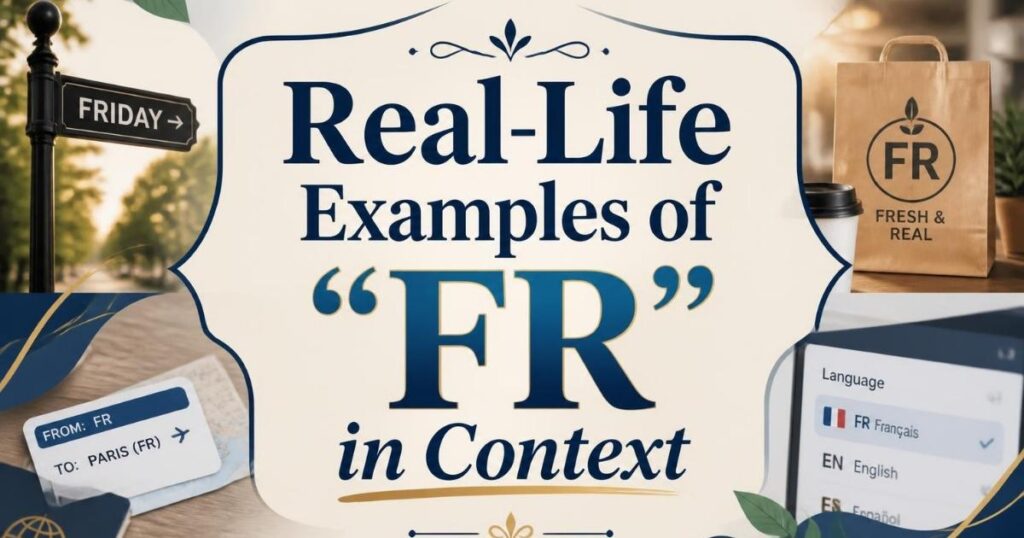
The fr meaning in text changes with the situation, tone, and relationship between the people chatting. The same two letters can express excitement, honesty, surprise, or even mild dismissiveness depending on how they’re used. Looking at real conversations makes the meaning much easier to understand than reading a definition alone.
Read More : Brat Meaning Slang: Complete Guide for Texts 2026
Friendly Tone 😊
Friends often use FR to show excitement, agreement, or support.
Conversation example:
Sophia: We should take a beach trip this summer.
Ava: FR! It’ll be so much fun.
Another example:
Ben: You’re one of my best friends.
Ryan: FR, that means a lot.
Neutral Tone 😐
Sometimes FR simply confirms information without adding strong emotion.
Conversation example:
David: The meeting starts at 9 AM.
Olivia: FR? Thanks for letting me know.
Another example:
Jack: The library closes early today.
Mia: FR. I’ll head there now.
Slightly Negative / Dismissive Tone 😒
Depending on context, FR can also sound annoyed or dismissive.
Conversation example:
Chris: He canceled again.
Jordan: FR…I’m done making plans with him.
Another example:
Emma: They blamed everyone else.
Lucas: FR? That’s disappointing.
Punctuation and emojis often help readers understand whether the message is playful or frustrated.
Example Table: “FR” in Different Contexts
The fr meaning in text changes based on tone, punctuation, and the conversation. This table shows how people commonly use FR in everyday messaging.
| Situation | Example | Meaning |
| Agreement | FR, that’s true. | Expressing agreement |
| Honesty | I’m FR about this. | Showing sincerity |
| Seriousness | FR, I’m not joking. | Emphasizing honesty |
| Surprise | FR?! | Showing disbelief |
| Excitement | FR! That’s awesome! | Positive emphasis |
| Casual Chat | That’s funny, FR. | Adding emphasis |
| Skepticism | FR? Are you sure? | Asking for confirmation |
| Mild Frustration | FR…I’m tired of this. | Dismissive or annoyed tone |
By paying attention to context, punctuation, and emojis, you’ll understand exactly what someone means when they use FR in a conversation.
Tone Matters: How “FR” Can Change Meaning
The fr meaning in text isn’t always the same. While FR usually means “for real,” the tone changes based on the conversation, punctuation, emojis, and even who you’re talking to. A simple “FR” can sound supportive, excited, doubtful, or slightly annoyed.
That’s why context matters. Reading the whole conversation helps you understand what the sender really means. The same abbreviation can carry different emotions without changing its definition. This flexibility is one reason FR has become a popular part of internet slang, texting culture, and online chat language across social media.
Same Word, Different Vibe:
The letters stay the same. The feeling doesn’t.
| Example | Tone | Meaning |
| FR. | Calm | I agree. |
| FR! | Excited | Absolutely! |
| FR? | Curious | Really? |
| FR?! | Shocked | Are you serious? |
| FR 😂 | Funny | That’s hilarious. |
| FR 😒 | Annoyed | I’m tired of this. |
| FR 💀 | Playful | That’s ridiculously funny. |
Conversation example:
Alex: I finished the project in one hour.
Mia: FR?!
The question mark completely changes the tone from agreement to surprise.
Comparison: “FR” vs Similar Text Abbreviations
The fr meaning in text is easy to confuse with other popular abbreviations. Although they all appear in casual conversations, each one has a different purpose. Knowing the difference helps you reply naturally and avoid using the wrong expression.
Here’s a quick comparison.
| Abbreviation | Full Meaning | Best Used For |
| FR | For Real | Agreement or seriousness |
| FR FR | For Real For Real | Strong emphasis |
| TBH | To Be Honest | Giving an honest opinion |
| NGL | Not Gonna Lie | Honest confession |
| ONG | On God | Swearing something is true |
| ISTG | I Swear to God | Promising honesty |
Conversation example:
Jake: That was the best burger I’ve ever had.
Chris: FR.
Taylor: NGL, I want another one already.
Each abbreviation adds a different feeling to the conversation even when everyone agrees.
Read More : TS Meaning Slang: Ultimate Guide to Every Meaning (2026)
Alternate Meanings of “FR”
Although the fr meaning in text usually means “for real,” those same letters can represent something completely different in other situations. The surrounding words make the intended meaning clear, so you should always read the full message before making assumptions.
Here are the most common alternate meanings.
1. “FR” = France 🇫🇷
Many websites and official documents use FR as the country abbreviation for France.
Examples:
- Package shipped to FR.
- Language: FR.
- FR phone number.
This meaning appears in travel, shipping, and international addresses instead of texting slang.
2. “FR” = Friend (Rare)
A few people shorten friend to FR, although this usage is uncommon today.
Conversation example:
Sam: My FR is visiting tomorrow.
Chris: That’s awesome!
Most people simply write friend instead because it’s much clearer.
3. “FR” in Gaming
In gaming communities, FR sometimes means frame rate. Players discuss game performance instead of internet slang.
Examples:
- My FR keeps dropping.
- Higher FR makes the game smoother.
- The update fixed my FR.
Always check the context. Gaming discussions usually refer to performance rather than “for real.”
When to Use “FR” (and When Not To)
Understanding the fr meaning in text also means knowing when it’s appropriate. FR works best in casual conversations where everyone understands texting slang. In formal situations, however, using the full phrase sounds more professional and respectful.
Choosing the right setting helps you communicate clearly without confusing your audience.
✔️ Use “FR” When:
FR fits naturally in casual conversations like these:
- Texting close friends
- Snapchat messages
- TikTok comments
- Instagram DMs
- WhatsApp chats
- Online gaming
- Discord servers
- Casual social media posts
Conversation example:
Emma: That concert was incredible.
Liam: FR! I want to go again.
❌ Avoid “FR” When:
Skip FR in situations that require professional communication.
Avoid using it in:
- Professional emails
- Client communication
- Academic writing
- School assignments
- Teacher communication
- Job applications
- Business reports
- Formal presentations
Instead, write the complete phrase to sound clear and professional.
Polite or Professional Alternatives to “FR”
The fr meaning in text works well with friends, but professional conversations require more formal language. Replacing internet slang with complete phrases helps your message sound polished and respectful.
Depending on the situation, try these alternatives instead.
| Instead of FR | Use This |
| FR | That’s true. |
| FR | I completely agree. |
| FR | Seriously. |
| FR | Absolutely. |
| FR | I understand. |
| FR | You’re correct. |
| FR | I genuinely believe that. |
Conversation example:
Manager: The deadline has been moved.
Employee: I understand. Thank you for letting me know.
This sounds much more professional than replying with “FR.”
Common Mistakes to Avoid
Many people know the fr meaning in text, yet they still misuse it. Most mistakes happen because they ignore context or use the abbreviation in situations where it doesn’t fit. Learning these common errors helps you communicate more naturally.
Avoid these mistakes:
- Using FR in professional emails.
- Assuming FR always means “for real.”
- Forgetting that gamers may mean frame rate.
- Confusing FR with France.
- Overusing FR in every sentence.
- Misreading “FR?” as agreement instead of a question.
- Ignoring punctuation and emojis.
- Using FR with people unfamiliar with texting slang.
Conversation example:
❌ Teacher: Please submit your assignment.
Student: FR.
✅ Better reply: Certainly. I’ll submit it today.
Using the right language for the situation makes your communication clearer and leaves a better impression.
FAQs
1. What does FR stand for in texting?
The fr meaning in text is for real. People use it to express agreement, honesty, seriousness, or emphasize a statement.
2. Is FR rude or disrespectful?
No. The fr meaning in text is usually friendly and casual. However, the tone and context can make it sound sarcastic or dismissive.
3. What does fr fr mean?
The fr meaning in text becomes stronger with fr fr. It means someone is completely serious or genuinely telling the truth.
4. Can FR mean something else?
Yes. Besides the fr meaning in text, FR can mean France, friend, frame rate in gaming, or a shipping abbreviation.
5. Is FR formal or informal?
The fr meaning in text is informal and best for casual chats. Avoid using it in professional emails or academic writing.
6. How do you reply to FR?
Reply based on the conversation. If the fr meaning in text shows agreement, you can answer with Absolutely, Same here, or I agree.
7. Is FR used worldwide?
Yes. The fr meaning in text is popular on social media and messaging apps, especially among Gen Z and online communities worldwide.
8. Why do people use FR instead of for real?
People prefer the fr meaning in text because it’s faster to type, saves time, and fits naturally into modern texting culture.
Conclusion
The fr meaning in text is simple once you understand the context. In most conversations, FR means for real and shows agreement, honesty, or seriousness. You’ll often see it on Snapchat, TikTok, Instagram, WhatsApp, and other social media platforms. The fr meaning in text can also change slightly depending on punctuation, emojis, and the conversation. That’s why reading the full message is always important before deciding what someone means.
Now that you know the fr meaning in text, you’ll recognize it more easily in everyday chats. Whether someone uses FR to agree with you, express surprise, or add emphasis, you’ll understand the message with confidence. Remember that the fr meaning in text is best for casual conversations, not formal writing. As texting slang continues to grow, knowing the fr meaning in text helps you communicate naturally and stay connected with modern online conversations.
