
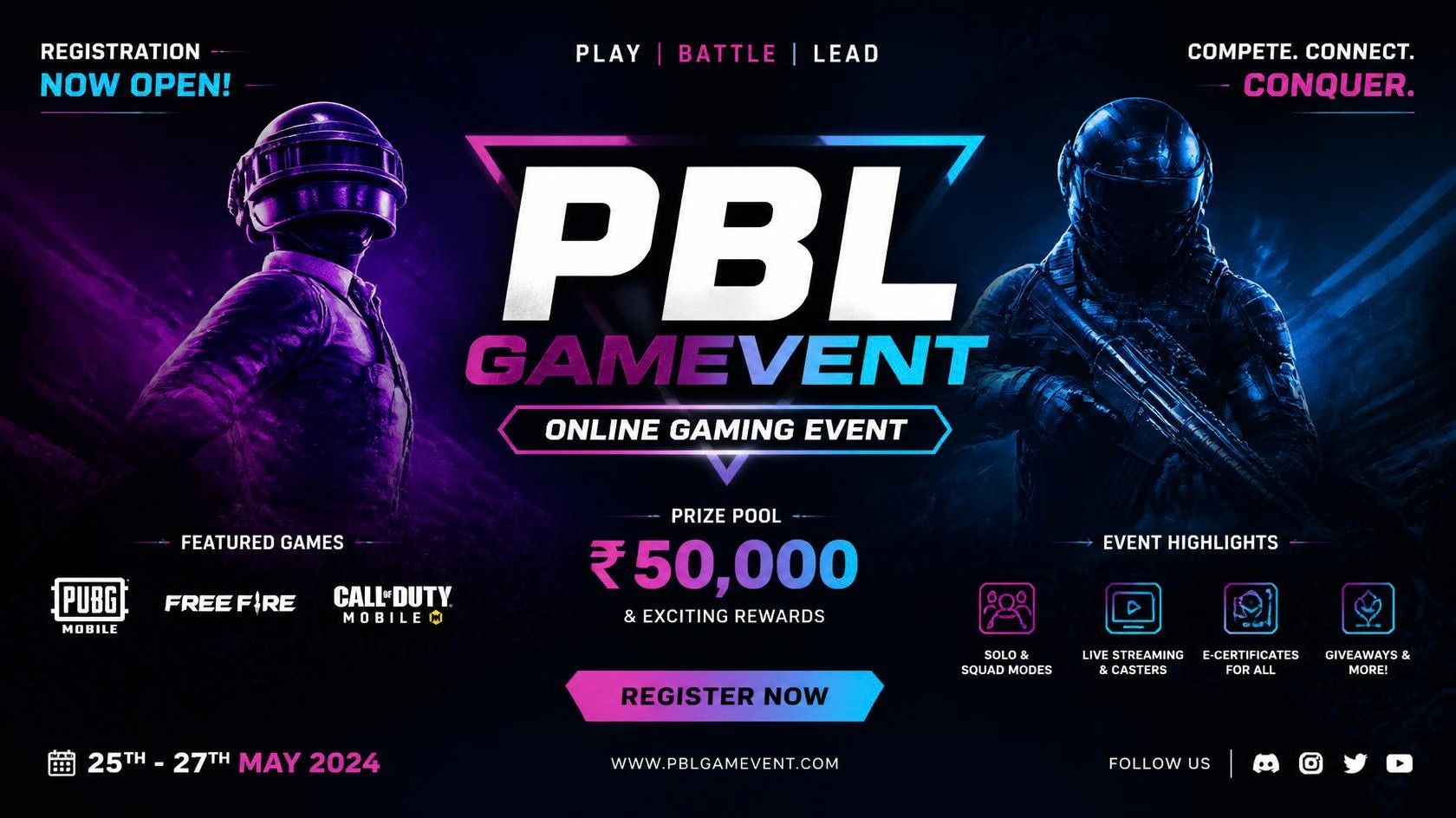
The online gaming industry has evolved into a global entertainment space where players compete, creators connect with fans, and communities come together around shared interests. The PBLGamevent online gaming event keyword reflects growing interest in hosted gaming experiences, tournament organization, live streaming, and competitive play. Whether an event brings together a small group of friends or hundreds of competitive players, successful organization requires careful planning, reliable technology, clear rules, and effective communication.
In 2026, gaming events can take place entirely online, in physical venues, or through hybrid formats that combine both experiences. Each approach creates different opportunities and challenges for organizers. This guide explains how hosted gaming events are planned, managed, and evaluated. You will learn about tournament formats, registration systems, anti-cheat measures, streaming tools, sponsorship models, community engagement, and emerging trends that can help make an online gaming event successful.
What Is Hosted Event PBLGamevent?
Hosted Event PBLGamevent can be understood as a concept for an organized gaming event in which participants gather online or in person to play games, compete in tournaments, watch broadcasts, or engage with a gaming community. However, the name alone does not establish that PBLGamevent is a verified company, official tournament platform, or specific event provider. Readers should confirm the identity and services of any organization using this name before registering or making payments.
A hosted gaming event typically includes a defined schedule, participant registration, game selection, competition rules, match coordination, technical support, and a system for reporting results. Depending on the event, it may also include live commentary, prizes, sponsor promotions, and community activities.
Core Components of Hosted Event PBLGamevent
The core components include event planning, player management, tournament administration, communication, security, and performance tracking. Organizers must decide how players will join, how matches will be assigned, how disputes will be resolved, and how final standings will be confirmed.
For a PBLGamevent online gaming event, the experience should remain accessible to new players while providing enough structure for experienced competitors. Clear instructions, tested technology, and responsive support help participants understand what to expect before, during, and after the event.
Why Gaming Events Are Bigger Than Ever in 2026
Online gaming events benefit from improvements in internet connectivity, multiplayer technology, streaming services, and digital payment systems. Players can compete across regions without traveling to a physical venue, while organizers can reach audiences through platforms such as Twitch and YouTube. Nevertheless, event popularity varies by game, region, audience, and competition level.
Competitive Gaming Is Mainstream
Competitive gaming, often called esports, includes organized competitions in titles such as Valorant, Counter-Strike 2, League of Legends, Rocket League, and Fortnite. Professional leagues receive significant attention, but community tournaments also play an important role by giving amateur players opportunities to compete.
A hosted event can borrow useful practices from professional esports without requiring a professional-sized budget. Published brackets, consistent match rules, trained moderators, and transparent results create a more credible competition.
Streaming Has Changed Everything
Live streaming allows spectators to follow matches, hear commentary, and interact through chat. Organizers can broadcast selected games, show tournament brackets, and share player interviews to make an event more engaging.
However, streaming introduces additional technical demands. Production teams must manage audio, video quality, moderation, broadcast delays, and game footage permissions. A small event may need only a reliable screen capture and microphone, while a larger competition may require dedicated broadcast operators.
Communities Drive Long-Term Success
A successful gaming event can become a recurring gathering rather than a one-time competition. Discord servers, social media groups, and post-event discussions help players stay connected between tournaments.
Community engagement also supports retention. Organizers who welcome beginners, publish fair rules, recognize participants, and respond to feedback are more likely to build a loyal audience over time.
The Complete Planning Process Behind Hosted Event PBLGamevent
Planning begins with a clear understanding of the event’s purpose, audience, budget, and available resources. An organizer should determine whether the primary goal is competitive play, community building, entertainment, fundraising, or brand awareness. These choices influence almost every later decision.
The next step is to build a realistic timeline covering registration, promotion, technical testing, match scheduling, and post-event reporting. Larger competitions may need several weeks or months of preparation. Smaller community events can move faster, but they still require written procedures and a person responsible for each important task.
Setting Clear Event Objectives
Objectives should describe what the event intends to achieve. For example, a community tournament might aim to attract first-time competitors, while a sponsored competition may focus on audience reach and brand visibility. Specific goals help organizers avoid spending money on features that do not serve the event.
Defining Success Metrics
Choose measurable indicators before registration opens. These might include completed registrations, attendance, match completion rates, viewer engagement, participant satisfaction, and total spending. Establishing a baseline makes it easier to compare future events and identify meaningful improvements.
Audience Research and Player Segmentation
Audience research helps organizers choose games, formats, schedules, and communication methods that match participant needs. A tournament designed for college students may need different start times and promotion channels than a competition aimed at working adults or international esports fans.
Organizers should consider skill levels, preferred platforms, accessibility requirements, time zones, and internet limitations. Registration surveys can gather this information without making the sign-up process unnecessarily complicated.
Casual Players
Casual players often value an enjoyable atmosphere, simple instructions, and flexible participation. Short matches, friendly competitions, and beginner divisions can make events less intimidating. Organizers should avoid assuming that every participant wants strict elimination brackets or high-pressure competition.
Competitive Players
Competitive players typically expect consistent rules, verified scores, balanced brackets, and dependable scheduling. They may also need clear information about map selection, game versions, roster requirements, tie-breakers, and prize distribution.
Global Audiences
International participation introduces time-zone differences, language needs, regional server limitations, and varying internet performance. Organizers should publish times with time-zone labels and consider whether players from different regions can compete under comparable conditions.
Selecting the Right Games for Hosted Event PBLGamevent
Game selection determines the event’s audience, technical requirements, and competitive style. Organizers should assess player interest, hardware needs, licensing restrictions, server availability, and the game’s suitability for spectators.
They should also check the current tournament policies of each game publisher. Some titles permit community competitions under specific conditions, while others impose restrictions on commercial use, prize pools, sponsorships, or broadcast rights.
Key Selection Factors
Important factors include the number of interested players, platform compatibility, match duration, network stability, and available spectator tools. A game with a large audience may still be unsuitable if its competitive setup is difficult to manage or participants cannot access it reliably.
Popular Event Categories in 2026
Common categories include first-person shooters, multiplayer online battle arenas, sports simulations, fighting games, battle royale titles, racing games, and cooperative games. Examples include Valorant, League of Legends, EA SPORTS FC, Street Fighter 6, Rocket League, and Fortnite.
The best choice depends on the target audience rather than popularity alone. A smaller game with an active community may produce better participation than a major title with intense competition for players’ attention.
Tournament Structure and Competition Design
Tournament format determines how participants advance and how many matches they must play. Organizers should consider player count, available time, competitive fairness, and whether every participant should receive more than one opportunity to compete.
The format should be announced before registration closes. Changing the structure after players have entered can create confusion, particularly when match schedules, team availability, or prize eligibility depend on the original rules.
Single-Elimination
In single-elimination, a player or team leaves the tournament after one loss. This format is simple to understand and works well when time is limited. However, one poor performance can end a competitor’s participation quickly.
Double-Elimination
Double-elimination gives competitors a second chance after their first loss. Participants move through winners’ and losers’ brackets, with the final structure depending on the rules. It offers more match opportunities but requires additional scheduling and administration.
Round Robin
In a round-robin tournament, every participant plays against every other participant in the group. This provides a broader measure of performance, but match volume grows quickly as the number of competitors increases.
Swiss Format
The Swiss format pairs participants with others who have similar records across several rounds. It can accommodate relatively large fields without requiring every player to face every other competitor. Organizers must clearly explain pairing and tie-break rules.
Format Comparison
| Format | Main advantage | Main limitation |
| Single-elimination | Fast and simple | One loss ends participation |
| Double-elimination | More chances to compete | More matches and scheduling |
| Round robin | Broad performance comparison | Time-intensive for large groups |
| Swiss | Efficient for larger fields | Pairing and tie-break rules need care |
Building Fair Rules and Competitive Standards
A tournament rulebook should explain how the competition works before players enter. It should cover eligibility, game settings, team rosters, match timing, reporting procedures, disconnections, forfeits, protests, penalties, and prize conditions. Ambiguous language can lead to inconsistent decisions and damage trust.
Organizers should also establish who has authority to interpret rules and how participants can appeal a ruling. Decisions should be documented and applied consistently. For sponsored events, prize terms and eligibility requirements should be especially clear.
Essential Rulebook Sections
Include registration requirements, check-in deadlines, permitted equipment, match settings, scoring rules, disconnection policies, and dispute deadlines. State whether substitutions are allowed and what happens if a player fails to appear.
Anti-Cheat Policies
Anti-cheat policies should prohibit unauthorized software, collusion, account sharing when forbidden, match manipulation, and other forms of unfair play. Organizers should use permitted verification tools, review suspicious results, and provide an appeal process. Accusations alone should not automatically establish misconduct.
Registration and Participant Management
Registration should be straightforward, secure, and transparent. Collect only the information needed to operate the event, such as a display name, contact method, team details, game account identifier, and eligibility confirmation. Explain how participant data will be used and retained.
Automated confirmation emails, check-in reminders, and clear event instructions can reduce missed matches. Organizers should also provide a contact method for registration problems and make it easy to correct mistakes before the tournament begins.
Best Registration Practices
Use a reputable registration or tournament platform, publish the event schedule, explain any entry fee, and disclose prize conditions. Test the sign-up process on desktop and mobile devices. If registration is limited, explain how waitlists and withdrawals will be handled.
Player Communication
Participants should receive timely updates about check-in, match assignments, rule changes, and delays. Discord announcements, email, and an official event page can support different communication needs. Use one clearly identified source for final schedules to prevent conflicting information.
The Technology Stack Behind Hosted Event PBLGamevent
Technology supports registration, scheduling, communication, competition management, streaming, and data reporting. The appropriate setup depends on the event’s size and complexity. A small tournament may operate with a bracket tool, a community chat server, and a spreadsheet, while a larger event may require integrated systems.
Before selecting software, organizers should evaluate reliability, security, pricing, accessibility, and export options. They should also prepare a backup process in case a service becomes unavailable during competition.
Tournament Management Platforms
Platforms such as Challonge and start.gg can help organizers manage brackets and competition structures, depending on the features available for the selected event. Tools should be tested with sample participants before the live launch.
Cloud Infrastructure
Cloud services can support event websites, registration forms, databases, and media delivery. Organizers should restrict access to administrative accounts, protect stored information, and avoid collecting sensitive data without a clear need.
Real-Time Analytics
Real-time dashboards can display match status, completed rounds, attendance, and viewer activity. These indicators help staff identify delays and allocate support where it is most needed.
Streaming Technology
Broadcast tools such as OBS Studio can capture gameplay, mix audio, and manage on-screen layouts. Internet upload capacity, capture settings, and audio levels should be tested before the event. Organizers should also confirm permission to broadcast the selected game and any third-party content.
Event Operations Before Launch Day
The days before an event should be used to confirm that people, processes, and systems are ready. Organizers need a final schedule, a current participant list, assigned staff roles, and a documented escalation process for problems.
A rehearsal can reveal issues that are difficult to notice during planning. Test registration access, game lobbies, voice channels, result submission, broadcast transitions, and moderator permissions. A short practice session is often more useful than relying on assumptions.
Technical Testing
Check game updates, account permissions, server regions, voice chat, internet connections, and stream quality. Ask participants to complete any required setup before match day.
Staff Training
Staff should understand their responsibilities and know who makes final decisions. Tournament administrators, moderators, stream operators, and support personnel need clear handoff procedures.
Emergency Planning
Prepare responses for outages, unexpected absences, disputed results, and delayed matches. Backup communication channels and a published postponement policy can reduce confusion when normal operations fail.
Live Event Execution and Coordination
On event day, organizers must keep the schedule moving while maintaining a fair and welcoming environment. A central operations channel helps staff share updates, flag issues, and coordinate decisions without overwhelming participants with internal discussion.
The event lead should monitor attendance, match progress, technical problems, and staff workload. If a delay occurs, communicate the expected impact promptly rather than leaving players uncertain about when they will compete.
Opening Activities
Begin with a welcome message, a schedule overview, a short rules briefing, and instructions for getting help. Introduce commentators or hosts when appropriate and explain where official results will appear.
Real-Time Operations
During competition, staff should track match readiness, enforce deadlines, verify results, and respond to disputes. Maintain a log of significant incidents so decisions can be reviewed consistently.
Match Management and Score Tracking Systems
Accurate score tracking keeps the bracket current and helps determine which competitors advance. Organizers should specify who submits results, what evidence is required, and how disagreements are resolved.
Where possible, use a central system rather than scattered messages or private spreadsheets. Staff should verify important results before updating final standings, especially when prize eligibility depends on placement.
Benefits
A reliable match management process reduces administrative errors, makes progress visible, and helps participants understand the competition. It also creates a record that can support dispute reviews and post-event analysis.
Why Communication Determines Event Success
Even a well-designed tournament can fail when instructions are unclear or updates arrive too late. Communication should begin before registration closes and continue through the final match and post-event follow-up.
Use short, direct announcements that state what changed, who is affected, and what participants should do next. Keep routine updates separate from urgent alerts so players can quickly recognize important information.
Essential Communication Channels
An event website can hold official rules and schedules, while Discord or another community platform can support live coordination. Email is useful for registration confirmations and important notices. Every channel should point participants toward the same authoritative information.
Crisis Communication
For a major delay or outage, acknowledge the issue, explain what is known, and provide a time for the next update when possible. Avoid promising a resolution before staff have verified it. If matches must be postponed, publish the revised schedule and explain how affected participants will be contacted.
Streaming, Content Creation, and Audience Experience
Streaming can extend a gaming event beyond its registered competitors. Spectators may follow the action through live commentary, player introductions, bracket graphics, interviews, and post-match analysis.
Production should match the available budget. A clean, understandable broadcast with balanced audio is often more effective than an elaborate stream that frequently fails. Organizers must also consider accessibility, moderation, and permissions for game footage, music, and other content.
Modern Broadcast Elements
Useful elements include readable scoreboards, clear player names, round information, commentator audio, and a visible schedule. Moderators can remove abusive chat messages and direct viewers toward official event information.
Content Beyond Match Day
Short highlight clips, final standings, player interviews, and event recaps can keep the community engaged after the competition ends. Obtain permission where needed before publishing participant images, voices, or personal details.
Sponsorship and Revenue Generation Models
Funding may come from sponsors, entry fees, donations, merchandise, advertising, or ticket sales for in-person events. The right mix depends on the audience, organizer’s goals, event rules, and the costs of operating the competition.
Organizers should prepare a budget covering software, prizes, staff, promotion, production, payment processing, and contingency funds. Revenue should never be assumed before it is secured. Entry fees and prize conditions should be disclosed clearly, and any applicable laws or platform policies must be followed.
Common Revenue Sources
Potential sources include brand sponsorships, voluntary donations, merchandise, event tickets, and permitted advertising. Some community events are intentionally free and supported by volunteers or a small sponsor.
Sponsorship Benefits
Sponsors may receive logo placement, product demonstrations, broadcast mentions, or other agreed promotional opportunities. Organizers should ensure that sponsor requirements do not interfere with competitive fairness or make the event uncomfortable for its audience.
Sample Revenue Breakdown
The following is an illustrative budget, not verified PBLGamevent financial data.
| Item | Example amount |
| Sponsorship | $1,000 |
| Entry fees | $300 |
| Donations | $100 |
| Total revenue | $1,400 |
| Prizes | $500 |
| Software and production | $250 |
| Promotion | $150 |
| Other operating costs | $200 |
| Total costs | $1,100 |
| Remaining balance | $300 |
Actual results will vary. Organizers should also account for taxes, refunds, payment fees, and other obligations when applicable.
Security and Risk Management in Gaming Events
Gaming events can face account theft, phishing, harassment, unauthorized access, cheating, and exposure of personal information. Risks increase when registration systems, community servers, and administrative accounts are poorly protected.
A security plan should identify likely threats, assign responsibility, and explain how incidents will be reported. Organizers should collect minimal personal information, limit administrative permissions, use multifactor authentication where available, and keep recovery procedures ready.
Common Threats
Threats include stolen accounts, malicious links, disruptive chat behavior, unauthorized software, impersonation, and attempts to manipulate match outcomes. Staff should know how to preserve relevant evidence without spreading private information.
Security Measures
Use trusted software, strong unique passwords, restricted access, and clear moderation policies. Never request account passwords from participants. For serious threats, payment disputes, or privacy incidents, follow the relevant platform procedures and applicable legal requirements.
Measuring Event Performance After Completion
Post-event analysis helps organizers understand whether the competition met its goals. Review registration numbers, attendance, completed matches, delays, support requests, streaming activity, and spending against the targets established during planning.
Numbers alone cannot explain every outcome. A tournament may attract many viewers but receive poor participant feedback, or it may have a small audience and excellent retention. Combining quantitative measures with direct feedback provides a more balanced assessment.
Important Metrics
Useful indicators include registration-to-attendance rate, match completion rate, average delay, viewer engagement, participant retention, and budget variance. Define each metric consistently so results can be compared across events.
Post-Event Surveys
Ask participants about registration, rules, communication, match fairness, technical quality, and overall satisfaction. Keep surveys brief and allow optional written comments. Review recurring complaints and assign specific improvements before planning the next event.
Common Challenges Event Organizers Face
Event organizers must balance competition quality, technical reliability, participant expectations, and available resources. Problems often arise when planning assumptions are not tested or responsibilities remain unclear.
The best response is to prepare for predictable difficulties and communicate honestly when unexpected issues occur. A small, well-managed event can provide a better experience than a larger competition with weak support.
Technical Issues
Network problems, software updates, server outages, and streaming failures can disrupt matches. Test systems early, prepare alternative communication channels, and establish fair procedures for restarting or rescheduling games.
Scheduling Conflicts
Players may arrive late, experience time-zone confusion, or become unavailable. Publish time-zone labels, require check-ins, and state how forfeits and schedule changes will be handled.
Competitive Integrity Concerns
Cheating allegations and disputed results can damage trust. Use consistent evidence standards, documented decisions, and an appeal process that gives participants a reasonable opportunity to explain their side.
Budget Constraints
Limited funding can affect prizes, production quality, and staffing. Prioritize reliable essentials before optional features, seek appropriate partners, and avoid promising rewards that are not financially secured.
How Hosted Event PBLGamevent Builds Gaming Communities
A hosted gaming event can give players a regular place to compete, meet others, learn new skills, and share their interests. Community tournaments can also connect beginners with experienced players and create opportunities for volunteer organizers, commentators, and moderators.
For an event using the PBLGamevent name, community value depends on the actual quality of its activities and management. The name itself does not prove that a particular community exists or that an organizer has established a track record.
Community Benefits
Well-managed events encourage teamwork, social interaction, friendly rivalry, and shared learning. Inclusive rules and accessible communication help participants from different skill levels feel welcome.
Long-Term Impact
Recurring events can strengthen relationships and support player retention. Publishing schedules in advance, recognizing volunteers, and acting on feedback can turn a one-time competition into a sustainable community activity.
Emerging Trends Shaping Gaming Events in 2026
Gaming events continue to benefit from improvements in automation, remote collaboration, broadcast production, and audience analytics. However, new technology is most useful when it solves a real problem rather than adding complexity.
Organizers should evaluate emerging tools carefully, particularly when they process player data or influence competition decisions. Reliability, transparency, and human oversight remain important regardless of the technology involved.
AI-Powered Event Management
AI-assisted tools may help draft announcements, summarize feedback, organize support requests, and identify unusual operational patterns. These tools should not be treated as infallible judges of cheating or misconduct. Sensitive decisions require reliable evidence and appropriate human review.
Hybrid Event Experiences
Hybrid events combine physical gatherings with online participation or streaming. They can connect local players with remote audiences, but organizers must coordinate venue equipment, internet access, schedules, and technical support across both environments.
Personalized Experiences
Organizers can offer beginner divisions, interest-based activities, tailored reminders, and different viewing options. Personalization should respect participant privacy and avoid collecting unnecessary data.
Best Practices for Hosting a Successful Hosted Event PBLGamevent
The strongest events combine practical planning with consistent execution. Organizers should focus on what participants need most: clear information, fair competition, dependable systems, and prompt support.
They should also treat each event as an opportunity to improve. Documenting lessons, reviewing complaints, and testing changes before the next tournament can produce steady progress without requiring a major increase in budget.
Focus on Player Experience
Make joining, understanding the rules, and finding support easy. Respect players’ time and create a welcoming environment for newcomers and experienced competitors alike.
Prioritize Reliability
Test the tournament platform, game setup, communication channels, and broadcast tools. Prepare a fallback process for critical systems and make sure staff know how to use it.
Maintain Transparency
Publish eligibility requirements, scoring rules, prize conditions, and dispute procedures. Explain major decisions clearly and apply standards consistently.
Leverage Data
Use registration, attendance, timing, and feedback data to identify where participants experience difficulty. Protect personal information and use only data that serves a clear operational purpose.
Continuously Improve
After each event, record technical failures, scheduling issues, and participant suggestions. Select a few practical improvements, assign responsibility, and check whether those changes work at the next event.
The Future of Hosted Event PBLGamevent
The future of hosted gaming events will likely involve more flexible competition formats, better remote participation, improved broadcasting, and greater use of automation. These developments can make events easier to manage, but they do not remove the need for careful planning, human judgment, and fair rules.
For anyone exploring a PBLGamevent online gaming event, the most important step is to verify the specific organizer and its published event details. Confirm the official website or account, tournament rules, registration process, prize terms, and support arrangements before participating. A credible event should explain what it offers without relying on unsupported claims.
Conclusion
A successful hosted gaming event requires more than choosing a popular game and opening registration. Organizers need clear objectives, appropriate tournament formats, reliable technology, fair rules, effective communication, and a practical security plan. Streaming, sponsorships, and community activities can add value when they support the event’s core purpose.
The PBLGamevent online gaming event concept highlights the broader process of bringing players together through structured competition and shared entertainment. However, specific claims about PBLGamevent should be verified independently rather than assumed from the name alone. By prioritizing transparency, player experience, technical reliability, and continuous improvement, organizers can build gaming events that participants trust and want to attend again.
Frequently Asked Questions
What does Hosted Event PBLGamevent mean?
It can describe an organized gaming event built around competition, online participation, and community engagement. The term alone does not verify a specific company or platform, so check the organizer’s official information before registering.
How are gaming events organized in 2026?
Organizers define their goals, select games, create tournament rules, manage registration, test technology, coordinate matches, and evaluate results. Larger events may also include streaming teams, sponsors, and dedicated security procedures.
What technology is used to run gaming tournaments?
Common tools include tournament bracket platforms, Discord, OBS Studio, registration forms, score-tracking systems, and streaming services. The best combination depends on the event’s size, game, budget, and technical requirements.
How do organizers prevent cheating?
They publish anti-cheat rules, use permitted verification tools, monitor suspicious results, document evidence, and apply consistent penalties. A fair process should also allow participants to appeal decisions.
What makes a gaming event successful?
Success depends on fair competition, reliable technology, clear communication, enjoyable participation, and effective organization. Registration, attendance, match completion, audience engagement, and participant feedback help measure performance.
Why are gaming events important?
Gaming events bring players together, create opportunities for competition, strengthen communities, and support content creators and esports activities. They can also help new players develop skills and build lasting connections.
